The Importance of Personal Umbrella Insurance

Jeff Ryan - CLU, ChFC, AIA, CIC, CPCU
December 2, 2022

Umbrella Liability Protection Can Be a Financial Life Saver

There are many who would know what a Personal Umbrella Liability Policy covers. They may know it responds when a severe accident occurs and a lawsuit follows from another person’s injuries. Some would understand where it applies as an additional layer of liability coverage above the limits of your Auto, Home, Boat and even Rental Property.๏ปฟ

But many do people do not contemplate WHY Personal Umbrella Liability Insurance is important to have.


What is at Stake?


The threat of a large lawsuit puts the following at stake or at risk:


  • Your Accumulated Assets
  • Investments and other assets you have accumulated are at risk of “attachment
  • ” following a judgment with a large liability claim. (Some assets have protection or exemptions such as retirement plans and your home).
  • Your Future Earnings
  • Future earnings are at risk because of the court’s ability to garnish  wages in order to satisfy a judgment. Depending on your state, garnishment may take up to 25% of your income.
  • Inadvertent Damage
  • A significant financial event like a liability judgment can have a ripple effect on those dependent upon your income. Kids getting ready for, or in college. Parents dependent on your care.
  • Pending retirement is also at stake if assets or wages are at risk.


What are factors that make one more susceptible to a large liability loss:

There are a number of factors that make a household at greater risk for a large liability lawsuit.


  • Owning Cars, Recreational Vehicles, or Boats
  • Just the fact that you drive a car down the highway creates a significant risk of involvement in a large liability lawsuit. A moment of inattention or less than good judgment, and lives and serious injury are at stake. If you have inexperienced drivers in your household and that risk goes up exponentially.
  • Recreational Vehicles such as ATVs, UTV’s, Jet Skis, Boats significantly increase the risk of injury and subsequently the risk of a large lawsuit.
  • Inexperienced Operators
  • Inexperienced operators exponentially increase the possibility of a catastrophic accident.
  • Owning a Home - Or Homes - Or Land
  • Owning any type of property increases the chances of a lawsuit due to an occurrence that occurs in or around the buildings and property.
  • Rental Property
  • Owning rental property increases liability exposure because of the lack of familial relationships with those who live there.
  • Other Risk Factors
  • Higher Income?
  • Those with higher incomes are more attractive targets for large lawsuits simply because the potential financial payout is easier to collect.
  • Pools? Trampolines?
  • An 
  • attractive nuisance  like pools and trampolines greatly increases the hazard and potential exposure to a lawsuit.
  • Entertaining and Social Media
  • Entertaining and Social Media increase the potential for losses such as host liquor liability and personal injury
  • Board of Directors Participation
  • Serving on a non-profit or charitable organization board can increase your personal exposure to a personal liability claim.

.

You do not have to be a millionaire to be sued like one, but the greater assets you hold, the more attractive a target you are.


Many Auto and Home Insurance policies provide $250,000 to $500,000 of underlying liability coverage. Some will extend liability to $1,000,000. But what if, following an accident you are sued for much more than that?


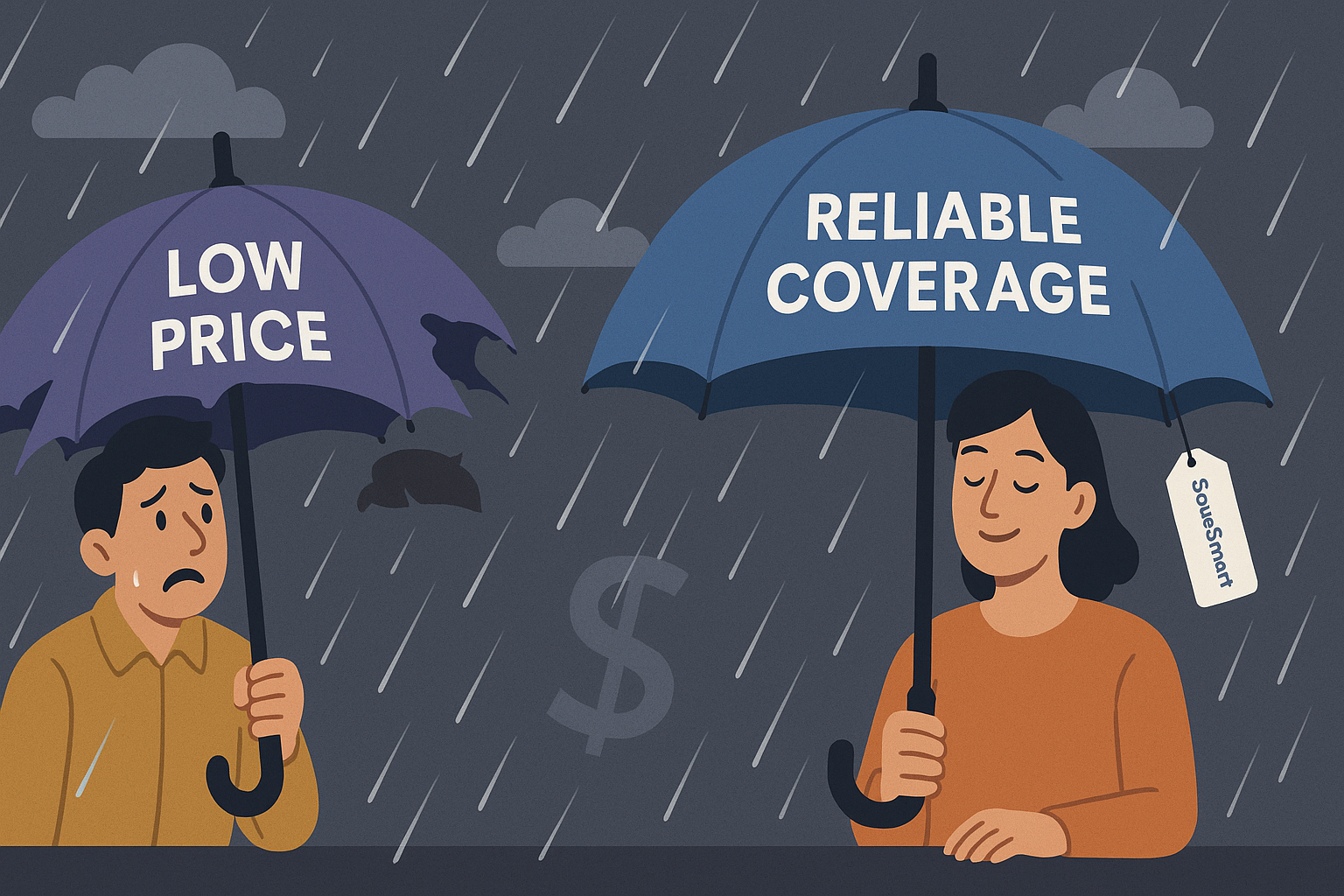
A properly designed insurance program including the use of a Personal Umbrella provides an additional layer of liability coverage over your cars, recreational vehicles, residence, and rental property. The limits on a Personal Umbrella Liability policy can be set at $1,000,000 to $5,000,000 and beyond.


It’s quite easy to learn about your umbrella options. It’s as simple as requesting a quote from your agent or representative. When comparing the cost of such coverage to the financial protection it provides, a Personal Umbrella Liability policy may be your best insurance value.


About the Author: Jeff Ryan has been a licensed insurance agent since 1978, later becoming a full-time insurance professional in 1983. Since then, he has been the principal of The Ryan Agencies with offices in Hornell, Jasper, and Wellsville. The agencies serve approximately 15,000 clients in New York and Pennsylvania. Jeff holds numerous credentials including the Chartered Property & Casualty Underwriter (CPCU), Certified Insurance Counselor (CIC), Accredited Advisor in Insurance (AAI), Chartered Life Underwriter (CLU), and Chartered Financial Consultant (ChFC) designations. He holds a Master's Degree from the American College. Jeff enjoys writing about all things insurance and welcomes your questions and feedback.

-------------------------------

“Ask Jeff" is a weekly post made on the RyanAgency.com Blog. 

Submit an insurance-related question to “Ask Jeff”. 

-------------------------------

This article may have been originally published at Quora.com.

To see Jeff's Quora.com profile click here.
By Jeff Ryan April 7, 2026
Factors You Can’t Easily Control These factors are built into your profile, but still play a major role: Your location: Claim trends, traffic, and weather patterns where you principally drive. Your age and driving experience: Especially for younger drivers. Other drivers in your household: Their age and driving history. The vehicle you own: Unique to the Year, Make, Model, and Sub-model’s damageability and cost of parts/labor. These factors significantly influence price differences, but they don’t tell the whole story. Factors You Can Control This is where habits and wise decisions can make a real difference: Your driving habits: Minimizing tickets and accidents can have a direct impact. Your coverage choices: Liability limits, deductibles, and optional coverages can vary widely. Your insurance consistency: Avoiding lapses in coverage. Your annual mileage: How much and how often you drive. Discount opportunities: Bundling, pay-in-full, NYS defensive driving course. Your Insurance Score (Yes—You Can Influence It) Insurance companies use a credit-based insurance score as part of their rating process. While it’s based on financial behaviors, it is not permanent—and it can be improved over time. Simple habits like: Paying bills on time Reducing outstanding debt Avoiding excessive credit inquiries… can positively impact your score—and in turn, your insurance rates. Your insurance score is under your control and a worthy mid to long-term project in and of itself. For more information on what you can do to positively influence your score, see: Great 8 Tip #8 - What's Credit Got to Do with Insurance? How Can I Improve My Auto Insurance Score Why Comparing Rates Doesn’t Work When someone says, “I only pay…” , the uniqueness of their fingerprint is missing. What are their: Deductibles Driving history Insurance score Household profile Coverage limits: what they may be giving up in terms of protection. Price without context can be misleading and discouraging.
By Jeff Ryan - CLU, ChFC, AIA, CIC, CPCU December 7, 2025
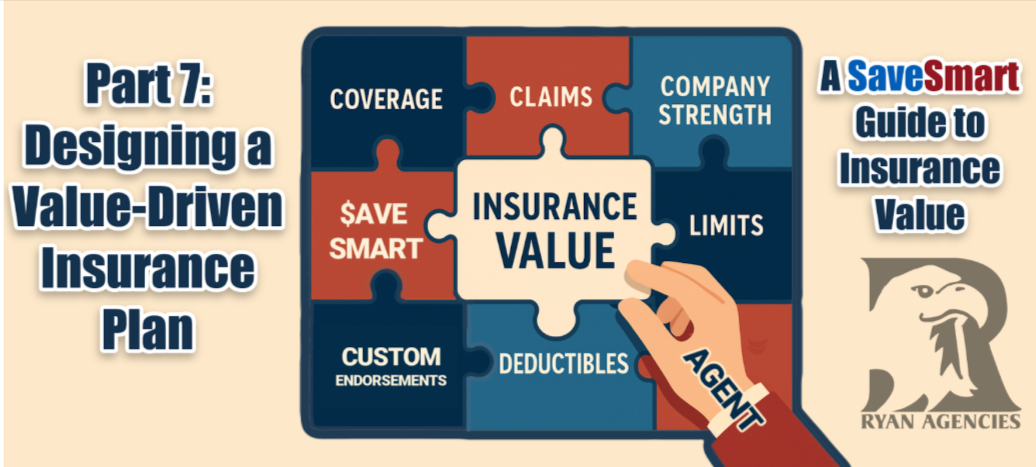
Part 7 – Designing a Value-Driven Insurance Plan
By Jeff Ryan - CLU, ChFC, AIA, CIC, CPCU November 24, 2025
Part 6 – Advice, Advocacy, and Answers
By Jeff Ryan - CLU, ChFC, AIA, CIC, CPCU November 12, 2025
Part 5 – Can Your Company Deliver?
By Jeff Ryan - CLU, ChFC, AIA, CIC, CPCU October 29, 2025
Part 4 – Custom Coverage = Real Protection
By Jeff Ryan - CLU, ChFC, AIA, CIC, CPCU October 15, 2025
Part 3: Coverage Limits - "The Ceiling You Don't Want to Collapse"
By Jeff Ryan - CLU, ChFC, AIA, CIC, CPCU October 1, 2025
Part 2 – The Risks of Chasing Cheap
By Jeff Ryan - CLU, ChFC, AIA, CIC, CPCU September 17, 2025
Part 1: What Are You Really Paying For?
Insurance fraud is a significant problem, exceeding $300 billion annually, with the Property and Cas
By Jeff Ryan May 6, 2025
Insurance fraud is a significant problem, exceeding $300 billion annually, with the Property and Casualty sector contributing nearly $50 billion to that total.
Living in New York, you might have a stack of insurance documentsโ€”auto, homeowners, health, or life
By Jeff Ryan April 28, 2025
Living in New York, you might have a stack of insurance documents—auto, homeowners, health, or life insurance policies—filed away somewhere. But how long should you keep those documents, and specifically, what papers should you hold on to?