What You Need to Know About Lightning Safety

June 29, 2018

July is Peak Lightning Season - Let's Stay Safe

Lightning strikes never get as much press as hurricanes or tornadoes, but they are still a grave danger to life and property. When and Where?
Though lightning events are much more common in the summer, it is something that can happen any time. Most lightning strikes happen in the month of July, and usually in the afternoon (between noon and 6pm). Casualties and Damage Anyone is at risk, but the National Weather Service has noticed a few interesting statistics about the people who suffer lightning injuries. Perhaps being struck by lightning isn't as random as you think. Eighty-five percent of lightning strike deaths are men, which basically means that a man is five times more likely to be hit by lightning than a woman. Younger adults also are at more risk. Around 40% of people hit by lightning are between the ages of 15 and 34.
According to the National Fire Protection Association, fire crews responded to 22,600 fires each year between 2007 and 2011 that were started by lightning strikes. On average, there were 9 deaths and more than $450 million in property damage each year during that period as well. Outdoor areas were the most frequently damaged but nearly 20% were homes. Cars, businesses, and non-residential structures make up the rest of the damage reports. Avoiding Lightning
So how do you stay safe? There are some common-sense safety tips you can remember once a storm hits and you start to hear thunder. Once you start to see lightning, count between the flash and the thunder. If you can't make it to 30, it's time to go inside. Stay indoors for 30 minutes after the final thunder roll. If you can't get in a building, a car will do even though the rubber tires are not going to protect you. The frame of the vehicle will, as long as you are not touching the metal. A tent is not really "indoors" and it won't offer any protection.

When stuck outside, stay away from high areas as well as large open spaces. Also, tall individual trees are likely to be struck so don't take shelter under them. A grouping of lower trees is much better.
Stay away from water or anything wet and/or metal. That includes wet ropes, fences or poles. Water and metal will conduct electricity for long distances, and can be dangerous even if the strike itself isn't immediately close.
If you are boating in a small craft with no cabin, you are at serious risk and there is little you can do. It is smarter to take care with weather reports before going out in the first place. Drop anchor, and lie low in the boat if you can. Larger boats with cabins are much safer as long as you avoid touching the metal of the frame.

Even Indoors


Believe it or not, one third of all injuries from lightning happen indoors. So even though you are safer inside, there is still some risk. When riding out a lightning storm inside, you should stay away from electronic equipment, plumbing fixtures, and corded phones. Close curtains or blinds. If you are able to get inside before the lightning gets bad, unplug all electric devices you can.


This summer, stay safe and don't become a lightning statistic.


Have more questions about avoiding everyday risks? We LOVE to help! Please feel welcome to call us at 607-324-7500


-------------------------------

“Ask Jeff" is a weekly post made on the RyanAgency.com Blog. 

Submit an insurance-related question to “Ask Jeff”. 

-------------------------------

This article may have been originally published at Quora.com.

To see Jeff's Quora.com profile click here.
By Jeff Ryan April 7, 2026
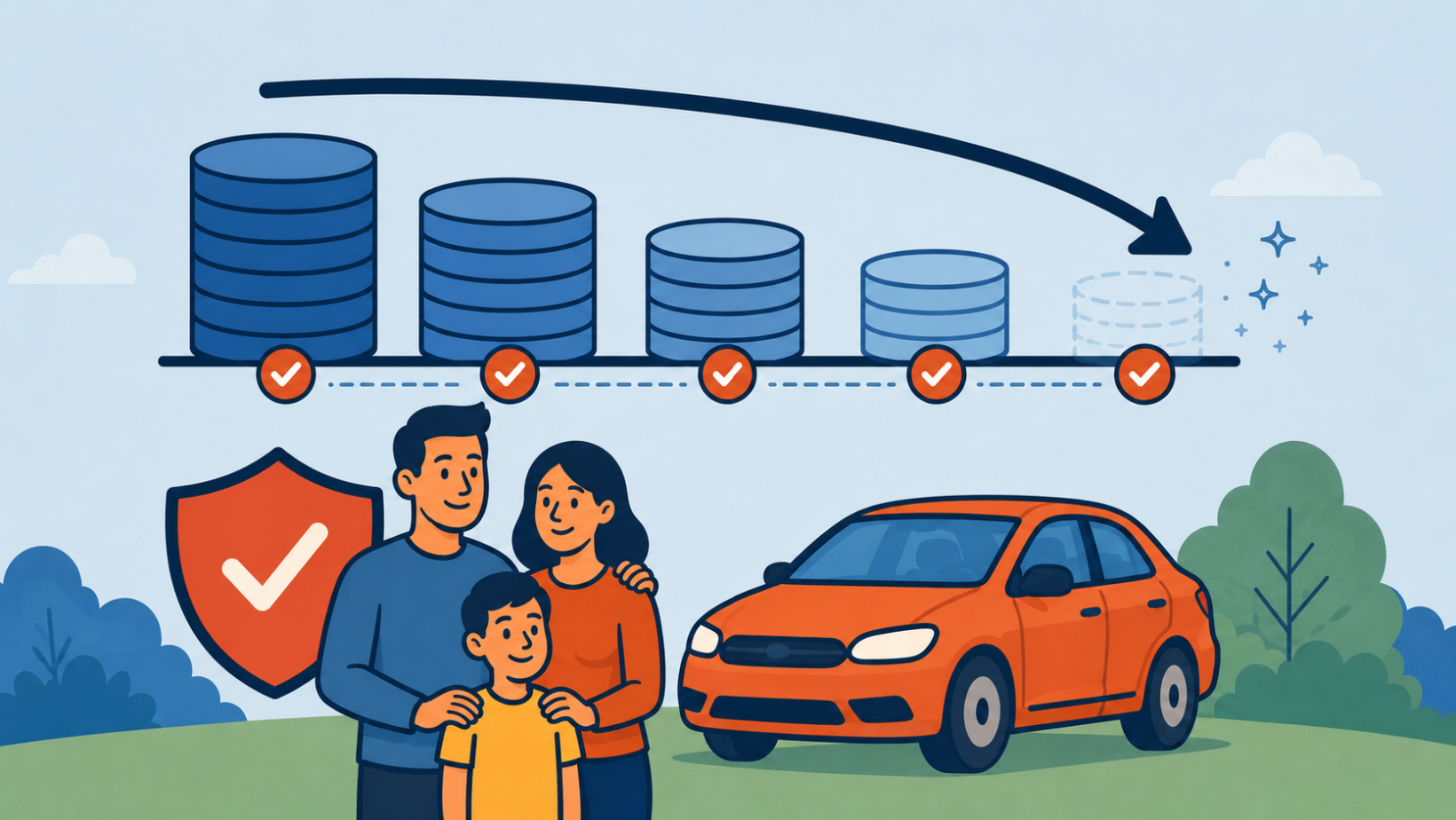
Factors You Can’t Easily Control These factors are built into your profile, but still play a major role: Your location: Claim trends, traffic, and weather patterns where you principally drive. Your age and driving experience: Especially for younger drivers. Other drivers in your household: Their age and driving history. The vehicle you own: Unique to the Year, Make, Model, and Sub-model’s damageability and cost of parts/labor. These factors significantly influence price differences, but they don’t tell the whole story. Factors You Can Control This is where habits and wise decisions can make a real difference: Your driving habits: Minimizing tickets and accidents can have a direct impact. Your coverage choices: Liability limits, deductibles, and optional coverages can vary widely. Your insurance consistency: Avoiding lapses in coverage. Your annual mileage: How much and how often you drive. Discount opportunities: Bundling, pay-in-full, NYS defensive driving course. Your Insurance Score (Yes—You Can Influence It) Insurance companies use a credit-based insurance score as part of their rating process. While it’s based on financial behaviors, it is not permanent—and it can be improved over time. Simple habits like: Paying bills on time Reducing outstanding debt Avoiding excessive credit inquiries… can positively impact your score—and in turn, your insurance rates. Your insurance score is under your control and a worthy mid to long-term project in and of itself. For more information on what you can do to positively influence your score, see: Great 8 Tip #8 - What's Credit Got to Do with Insurance? How Can I Improve My Auto Insurance Score Why Comparing Rates Doesn’t Work When someone says, “I only pay…” , the uniqueness of their fingerprint is missing. What are their: Deductibles Driving history Insurance score Household profile Coverage limits: what they may be giving up in terms of protection. Price without context can be misleading and discouraging.
By Jeff Ryan - CLU, ChFC, AIA, CIC, CPCU December 7, 2025
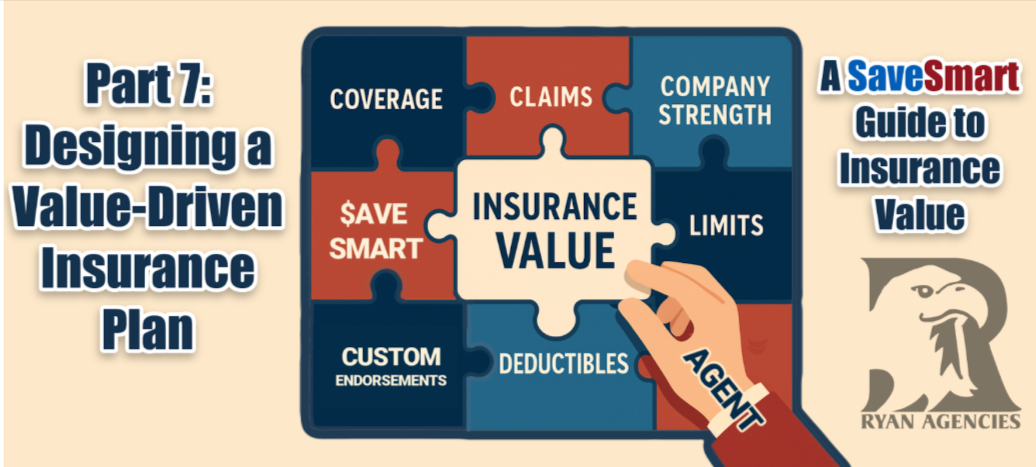
Part 7 – Designing a Value-Driven Insurance Plan
By Jeff Ryan - CLU, ChFC, AIA, CIC, CPCU November 24, 2025
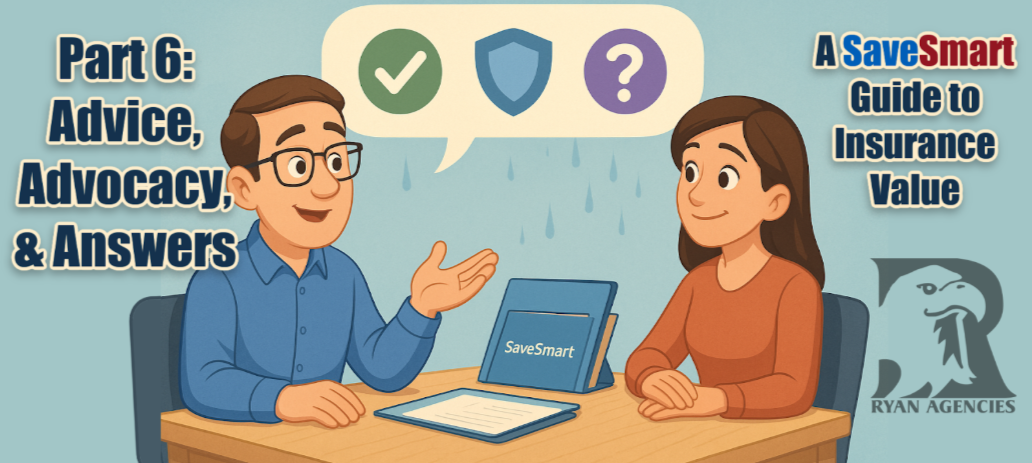
Part 6 – Advice, Advocacy, and Answers
By Jeff Ryan - CLU, ChFC, AIA, CIC, CPCU November 12, 2025
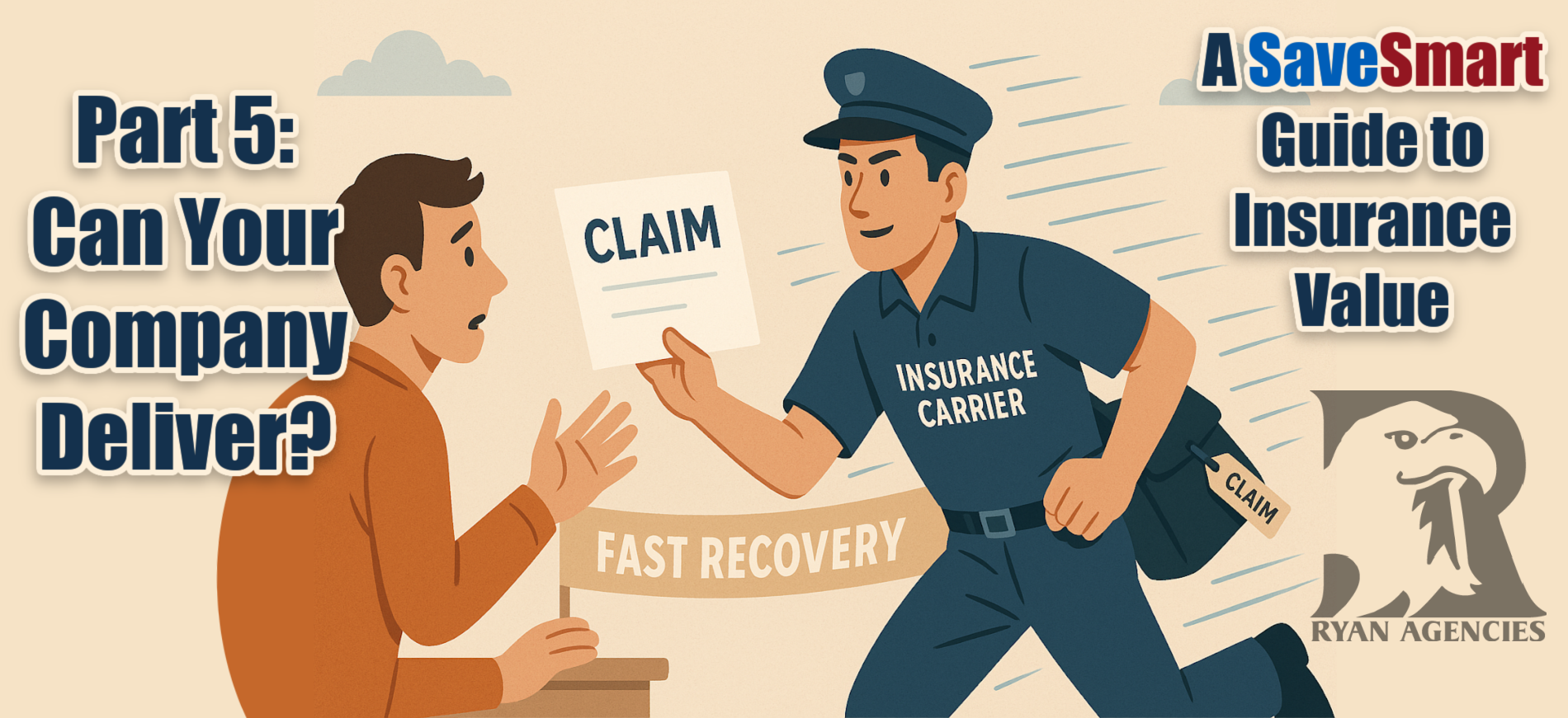
Part 5 – Can Your Company Deliver?
By Jeff Ryan - CLU, ChFC, AIA, CIC, CPCU October 29, 2025
Part 4 – Custom Coverage = Real Protection
By Jeff Ryan - CLU, ChFC, AIA, CIC, CPCU October 15, 2025
Part 3: Coverage Limits - "The Ceiling You Don't Want to Collapse"
By Jeff Ryan - CLU, ChFC, AIA, CIC, CPCU October 1, 2025
Part 2 – The Risks of Chasing Cheap
By Jeff Ryan - CLU, ChFC, AIA, CIC, CPCU September 17, 2025
Part 1: What Are You Really Paying For?
Insurance fraud is a significant problem, exceeding $300 billion annually, with the Property and Cas
By Jeff Ryan May 6, 2025
Insurance fraud is a significant problem, exceeding $300 billion annually, with the Property and Casualty sector contributing nearly $50 billion to that total.
Living in New York, you might have a stack of insurance documentsโ€”auto, homeowners, health, or life
By Jeff Ryan April 28, 2025
Living in New York, you might have a stack of insurance documents—auto, homeowners, health, or life insurance policies—filed away somewhere. But how long should you keep those documents, and specifically, what papers should you hold on to?