-------------------------------
“Ask Jeff" is a weekly post made on the RyanAgency.com Blog.
Submit an insurance-related question to “Ask Jeff”.
-------------------------------
555-555-5555
mymail@mailservice.com

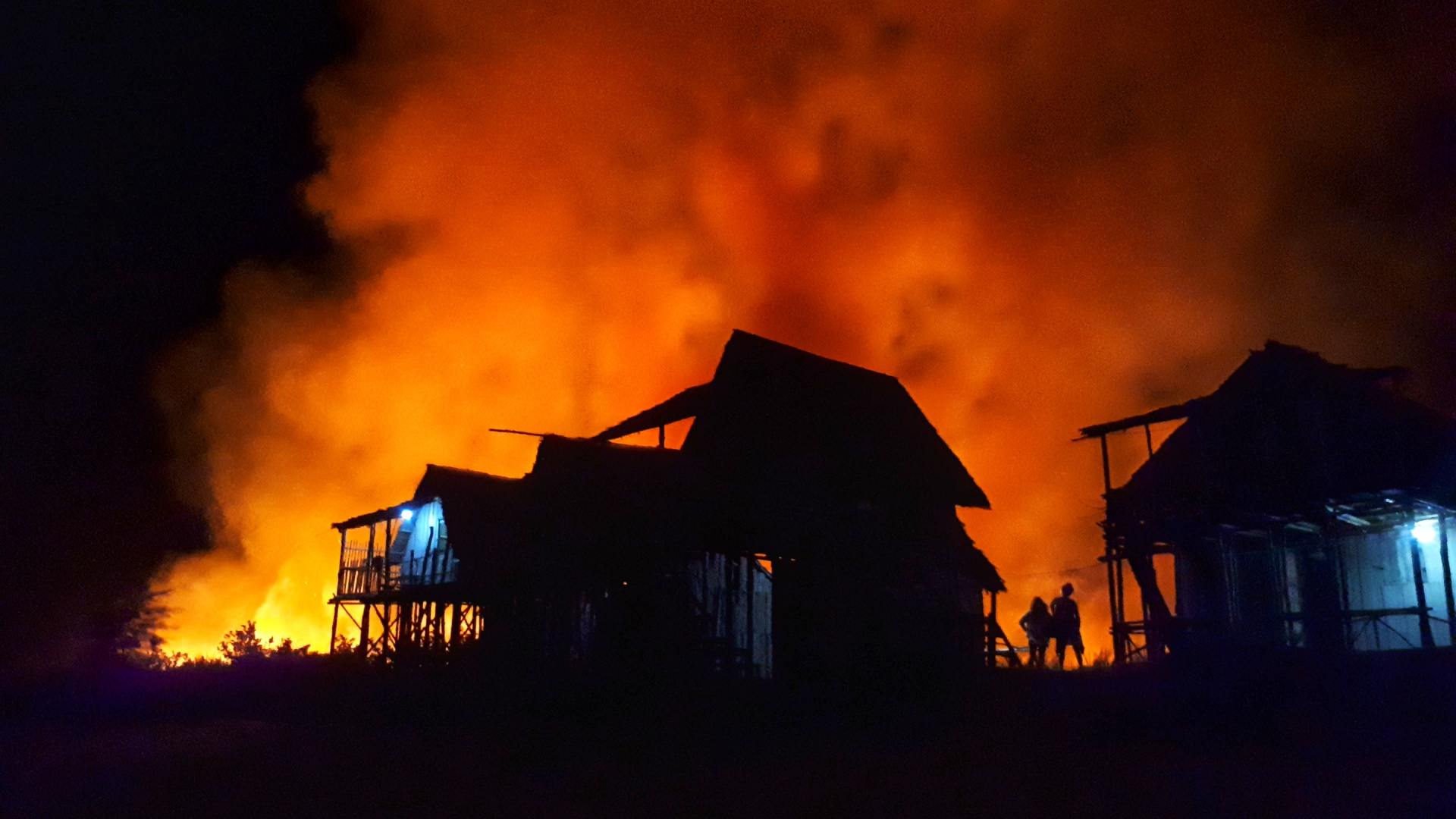
A fire in the home can be completely devastating, and can also be prevented with a few safety tips and lots of fire awareness. Many of these are just common sense, but also quite easy to forget about when you are going about your daily routines. Don't Overload Electric Outlets It can be too easy to just add one more plug to an overloaded outlet, whether its an extension cord or an extra multi-plug tap. Even if it seems like the outlet can handle the added load, it can still generate more heat than it should, leading to a possible fire hazard. This is especially the case if there is carpet or drapery near the outlet. Proper Flammable Liquid Storage Keeping any flammable liquids in unventilated areas can lead to an accumulation of vapors that can light up with the slightest spark. Paint, varnish, bleach, cleansers and gasoline should all be kept in the proper sealed containers and not stored together indoors. Christmas Tree Safety is Important Though a strictly seasonal problem, a live (and dry) tree in the house is a huge hazard for fires. Add in strings of light bulbs and it's an accident waiting to happen. Modern LED Christmas lights aren't as dangerous as the older style bulbs because they don't get very hot. Even so, mixing anything electrical with tinder-dry pine needles is not safe. Keep a live tree moist by mounting it in a pot of water, and refrain from lighting any actual flames (like holiday lamps or candles) nearby. Be Cautious with Open Flames And speaking of flames, whether it's a fire in the fireplace or a candle on the coffee table, an open flame is always a risk. Never have anything lit near loose fabrics (like curtains or table cloths), and don't leave candles burning when there is no one around. A fireplace doesn't need quite so much attention, as long as there is a screen or doors to prevent any sparks from jumping out, and potentially lighting up the carpet. Avoid A Major Source of Home Fires with Proper Care in the Kitchen The majority of home fires start in the kitchen, from spatters of hot grease to unattended pots that scorch. Needless to say, the best safety tip is to stay focused on any cooking that involves the stove top or the oven. Do not keep any dish towels or oven mitts by the stove, and do not work over active burners with loose sleeves. If a grease fire does flare up, you must not try to douse it with water. Immediately place a lid on the pot or pan to smother the flames, or pour baking soda on the fire to put it out. Water just sizzles and spreads sparks further, creating a larger fire. Have the Right Fire Equipment on Hand Even if you take all the precautions in the world, there can always be a possible risk of fire in the home. So be prepared with the right tools to stay safe. You should have at least one fire extinguisher that is regularly checked to ensure its still fully charged, and have smoke detectors on each floor of your home. Test the smoke detectors every month to make sure none have dead batteries. Being equipped also means being prepared with a fire escape plan. Establish a safe way out of the house in case of a fire (plus a back-up route) and make sure everyone in the home knows the plan.

-------------------------------
“Ask Jeff" is a weekly post made on the RyanAgency.com Blog.
Submit an insurance-related question to “Ask Jeff”.
-------------------------------

This article may have been originally published at Quora.com.
To see Jeff's Quora.com profile click here.