-------------------------------
“Ask Jeff" is a weekly post made on the RyanAgency.com Blog.
Submit an insurance-related question to “Ask Jeff”.
-------------------------------
555-555-5555
mymail@mailservice.com

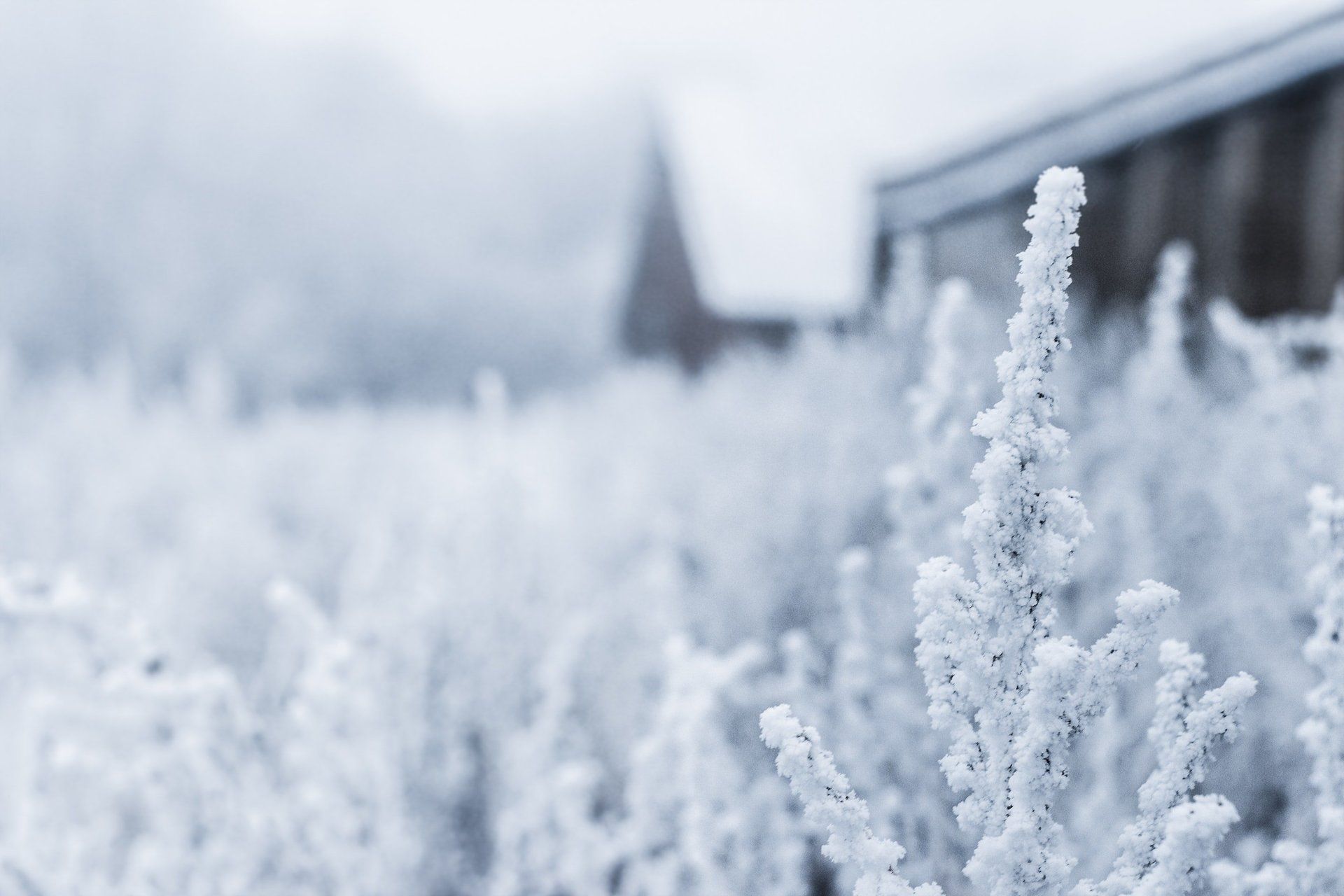
Everyone becomes very aware of road conditions and potential accidents out while driving once the snow and ice of winter sets in. But don't forget that there are many risks of winter accidents around the house as well. These are the most common ones, along with a few tips to avoid them. Slipping on Ice
Slippery conditions on your walkway, deck or driveway are the most common accident most people have at home in the winter. It doesn't take much rain or snow to create a slick surface, and it's especially dangerous when it doesn't look slippery.
Use sand liberally to provide some traction on ice, or use salt to melt it away entirely. If you are still concerned about walking on slippery surfaces, take precautions and wear ice cleats on your boots. Don't overload yourself when walking, so your hands are free to catch yourself if you do fall. Beware of Falling Ice or Snow
Ice isn't only a hazard under foot. When you start to get accumulation of ice and snow on your roof, there is potential for injury should it all come sliding down without warning. Fluffy snow is just an annoyance, but a large piece of solid ice is a real threat. Use a long-handled shovel to keep your roof clear around doorways or sidewalks, or install barriers on the roof to prevent large pieces of snow from sliding all at once. If it is a recurring problem, heated cables can keep things more permanently ice-free. Winter Can Mean Increased Fire Risks
Long nights and chilly temperatures prompts many homeowners to get a fire going in the fireplace during the evenings, or even just light a few candles to warm up a room. Sparks and embers from the fireplace can jump a long way if you are prodding the flames without a screen, and a candle can very easily be knocked over if people in the home aren't careful.
Use very stable candle-holders, and only burn candles well away from any upholstery or paper. As for the fire place, use a mesh screen around the opening to keep sparks from taking off into the room. Carbon Monoxide Detection
Though not really classed as a possible accident, the risk of having high levels of carbon monoxide in the house goes up during the winter. Without proper ventilation, the fire in the fireplace we just mentioned is one source of carbon monoxide (CO), and many other types of fuel-burning heaters are just as bad. A poorly maintained furnace can also leak this odorless gas into the home. There are cases every year of deaths due to excessive exposure to CO, usually while the family is asleep. Have working CO detectors on each floor of the home and test them regularly. Keep the furnace cleaned and serviced every year, and don't use any other heaters in the house that are not designed for indoor use.
With a little diligence and care, you can have an accident-free winter around the house this year. Did you know that some home safety precautions could earn you discounts on your homeowner's insurance? Give us a call today to learn more 607-324-7500

-------------------------------
“Ask Jeff" is a weekly post made on the RyanAgency.com Blog.
Submit an insurance-related question to “Ask Jeff”.
-------------------------------

This article may have been originally published at Quora.com.
To see Jeff's Quora.com profile click here.