Part 2: Cyber Insurance Third-Party Coverage

Jeff Ryan - CLU, ChFC, AIA, CIC, CPCU
March 27, 2023

Part 2 of a 3 Part Series

Cyber insurance policies typically offer two types of coverages: first-party and third-party coverages. 


This piece reviews some third-party coverages that protect the insured's legal liability to clients, prospects, or other stakeholders they have in their database.  Examples of third-party coverages commonly included in cyber insurance policies include:

  • Data breach liability: Provides coverage for legal fees and damages awarded to clients, prospects, or other stakeholders following their private information being compromised.
  • Network security liability: This coverage provides indemnity for legal fees and damages awarded to third parties due to a security failure that allows unauthorized access to their systems or data.
  • Media liability: Compromised date can result in patent and intellectual property infringement. Media liability covers the cost of litigating and compensating for online defamation and infringement of those property rights.
  • Cyber extortion liability: This coverage responds in event of cyber extortion incurred by a third-party following the release of their private information.
  • Errors and omissions liability: When the insured makes poor technological decisions that result in damages to their clients, cyber errors and omissions coverage steps in. 


Overall, third-party coverages protect businesses from legal liability to third parties resulting from a cyber incident. Because cyber insurance is not standardized, specific coverages vary depending on the insurer and policy. It would be wise to employ the services of a knowledgeable insurance professional to carefully review their options to ensure they have adequate protection.


About the Author: Jeff Ryan has been a licensed insurance agent since 1978, later becoming a full-time insurance professional in 1983. Since then, he has been the principal of The Ryan Agencies with offices in Hornell, Jasper, and Wellsville. The agencies serve approximately 15,000 clients in New York and Pennsylvania. Jeff holds numerous credentials including the Chartered Property & Casualty Underwriter (CPCU), Certified Insurance Counselor (CIC), Accredited Advisor in Insurance (AAI), Chartered Life Underwriter (CLU), and Chartered Financial Consultant (ChFC) designations. He holds a Master's Degree from the American College. Jeff enjoys writing about all things insurance and welcomes your questions and feedback.


-------------------------------

“Ask Jeff" is a weekly post made on the RyanAgency.com Blog. 

Submit an insurance-related question to “Ask Jeff”. 

-------------------------------

This article may have been originally published at Quora.com.

To see Jeff's Quora.com profile click here.
By Jeff Ryan April 7, 2026
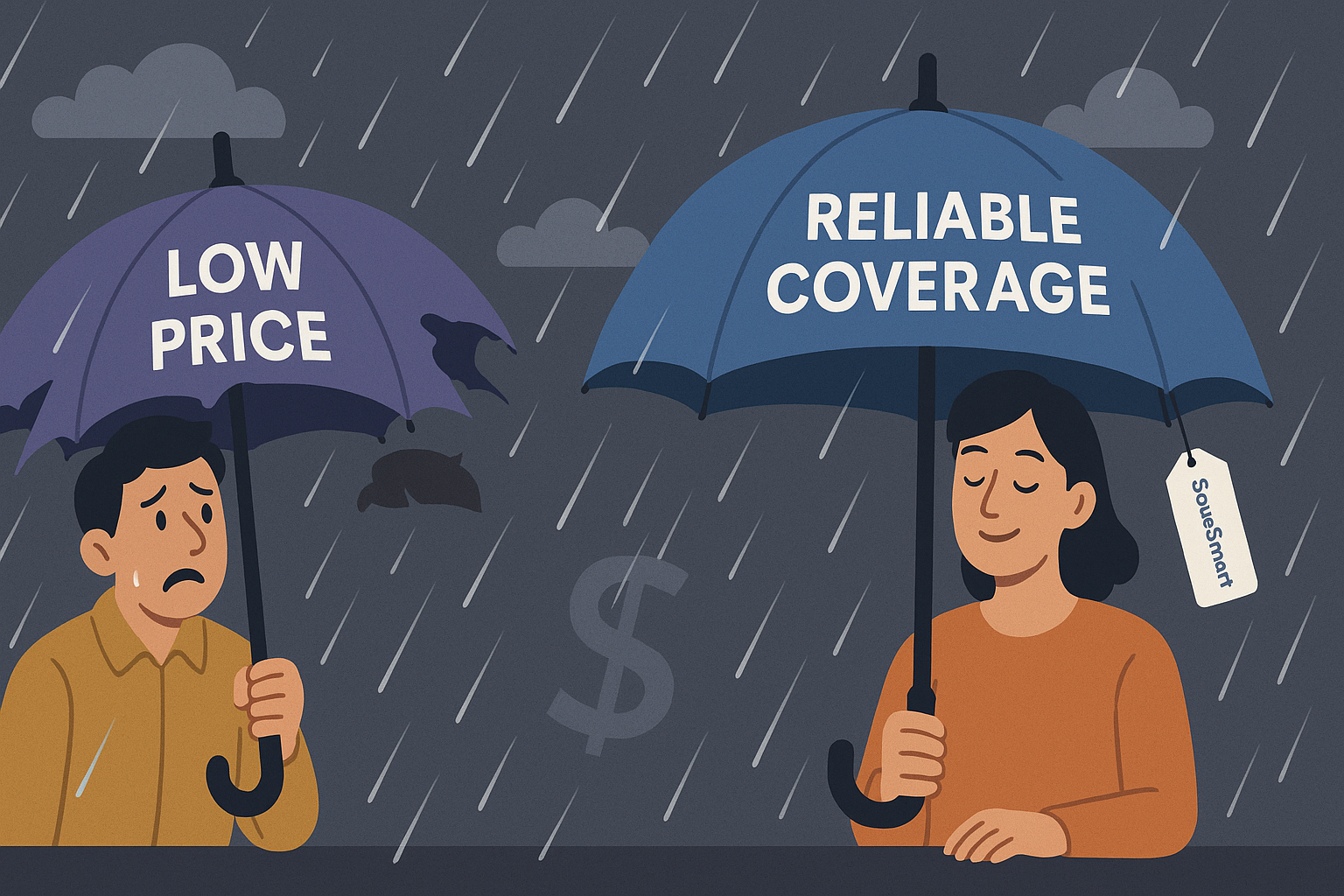
Factors You Can’t Easily Control These factors are built into your profile, but still play a major role: Your location: Claim trends, traffic, and weather patterns where you principally drive. Your age and driving experience: Especially for younger drivers. Other drivers in your household: Their age and driving history. The vehicle you own: Unique to the Year, Make, Model, and Sub-model’s damageability and cost of parts/labor. These factors significantly influence price differences, but they don’t tell the whole story. Factors You Can Control This is where habits and wise decisions can make a real difference: Your driving habits: Minimizing tickets and accidents can have a direct impact. Your coverage choices: Liability limits, deductibles, and optional coverages can vary widely. Your insurance consistency: Avoiding lapses in coverage. Your annual mileage: How much and how often you drive. Discount opportunities: Bundling, pay-in-full, NYS defensive driving course. Your Insurance Score (Yes—You Can Influence It) Insurance companies use a credit-based insurance score as part of their rating process. While it’s based on financial behaviors, it is not permanent—and it can be improved over time. Simple habits like: Paying bills on time Reducing outstanding debt Avoiding excessive credit inquiries… can positively impact your score—and in turn, your insurance rates. Your insurance score is under your control and a worthy mid to long-term project in and of itself. For more information on what you can do to positively influence your score, see: Great 8 Tip #8 - What's Credit Got to Do with Insurance? How Can I Improve My Auto Insurance Score Why Comparing Rates Doesn’t Work When someone says, “I only pay…” , the uniqueness of their fingerprint is missing. What are their: Deductibles Driving history Insurance score Household profile Coverage limits: what they may be giving up in terms of protection. Price without context can be misleading and discouraging.
By Jeff Ryan - CLU, ChFC, AIA, CIC, CPCU December 7, 2025
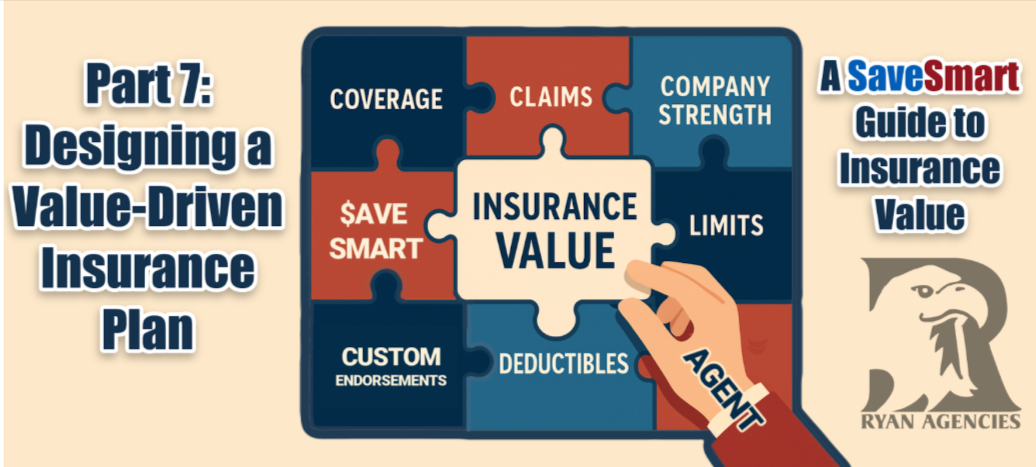
Part 7 – Designing a Value-Driven Insurance Plan
By Jeff Ryan - CLU, ChFC, AIA, CIC, CPCU November 24, 2025
Part 6 – Advice, Advocacy, and Answers
By Jeff Ryan - CLU, ChFC, AIA, CIC, CPCU November 12, 2025
Part 5 – Can Your Company Deliver?
By Jeff Ryan - CLU, ChFC, AIA, CIC, CPCU October 29, 2025
Part 4 – Custom Coverage = Real Protection
By Jeff Ryan - CLU, ChFC, AIA, CIC, CPCU October 15, 2025
Part 3: Coverage Limits - "The Ceiling You Don't Want to Collapse"
By Jeff Ryan - CLU, ChFC, AIA, CIC, CPCU October 1, 2025
Part 2 – The Risks of Chasing Cheap
By Jeff Ryan - CLU, ChFC, AIA, CIC, CPCU September 17, 2025
Part 1: What Are You Really Paying For?
Insurance fraud is a significant problem, exceeding $300 billion annually, with the Property and Cas
By Jeff Ryan May 6, 2025
Insurance fraud is a significant problem, exceeding $300 billion annually, with the Property and Casualty sector contributing nearly $50 billion to that total.
Living in New York, you might have a stack of insurance documentsโ€”auto, homeowners, health, or life
By Jeff Ryan April 28, 2025
Living in New York, you might have a stack of insurance documents—auto, homeowners, health, or life insurance policies—filed away somewhere. But how long should you keep those documents, and specifically, what papers should you hold on to?