-------------------------------
“Ask Jeff" is a weekly post made on the RyanAgency.com Blog.
Submit an insurance-related question to “Ask Jeff”.
-------------------------------
555-555-5555
mymail@mailservice.com

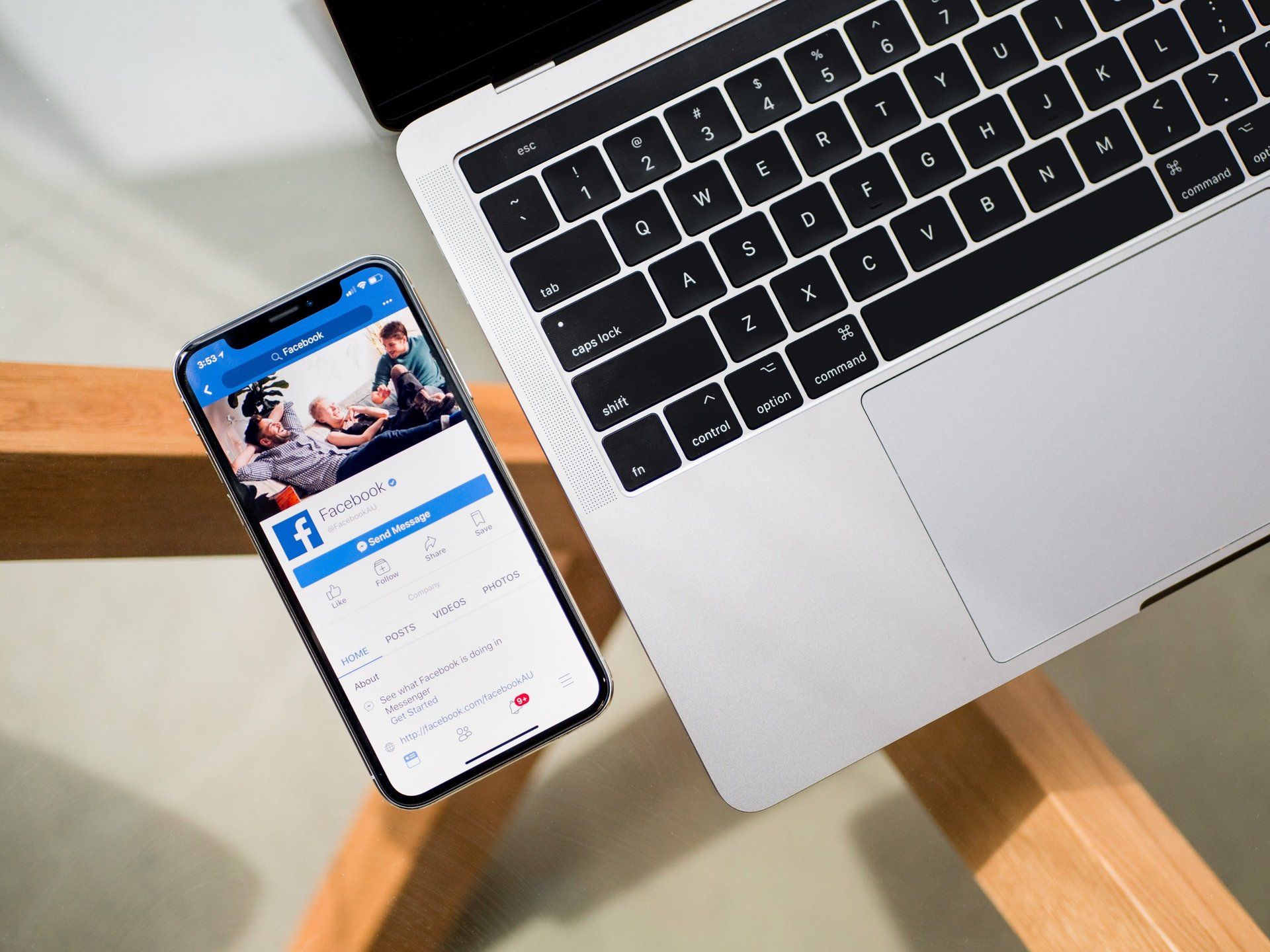
Social media has become an enormous part of life for most people, and it has managed to be integrated in all aspects of our day-to-day routines. Unfortunately, now that so many people have put their entire lives out there for people to see, it has also become a significant safety issue.
Whether it's a data breach or just over-sharing with potential strangers, there are many ways you are at risk with your social media habits. Stay safe with these tips. Watch Out for 3rd-Party Apps
While this applies mainly to Facebook, it can also concern Google+ users too. Many apps and websites have capitalized on the widespread use of social media, and offer you the option to log-in with your existing accounts rather than create a new account specifically with them. When you decide to use your Facebook or Google+ credentials to log into another service, you are creating a link between them and your social media. You may be giving them access to a lot more than you realize. Be Cautious and Don't Overshare
This can be a tough one when you've gotten into the habit of keeping in touch with your personal network by sharing everything.
First of all, keep your social network safe by limiting how public it all is. Have your settings at "friends only" if you can, or at least limit your personal postings to a select group of followers. Try not to broadcast your life, especially if you have a large number of connections that you don't really know personally.
Secondly, think twice before putting stuff out there to begin with. Photos of your vacation are fine, but don't broadcast to the world that you will be out of the country on specific dates. You don't want untrustworthy people learning that your home will be empty, do you? Highly controversial commentary can be found and read by anyone, and that may impact your professional image, even years after the comments were made. Use Tough Passwords
It's tempting to create simple passwords to make life easier, and to possibly use the same passwords over and over. Both of these are bad ideas. If you use the same password for all your social media accounts, all it takes is one hack or data breach, and someone will have access to all of your accounts. Don't reuse passwords. Help prevent hacking by using strong passwords, at least 8 or 9 characters that include a mix of letters, numbers and symbols. If your account offers 2-factor security (where you have to answer an additional question to log in), you should opt for that. Take Care with Links
Obviously, you can't avoid all the links that people share, but if you see someone in your network sharing a link without any context or that seems to hide its destination (like a shortened bit.ly link), you might want to think twice before clicking. A hacked account may send out malware links, and you can put yourself at risk when you click on them.
-------------------------------
“Ask Jeff" is a weekly post made on the RyanAgency.com Blog.
Submit an insurance-related question to “Ask Jeff”.
-------------------------------

This article may have been originally published at Quora.com.
To see Jeff's Quora.com profile click here.