Someone hit my parked car and left a note with his name and phone number. What should I do?

Jeff Ryan - CLU, ChFC, AIA, CIC, CPCU
November 8, 2023

Tips on how to handle an accident where your car is parked and unattended

Before you report this claim to your insurance company, try the following:


  • Take Photos: Take a picture of the scene and a close-up of your damage. If there are other cars parked around yours, make sure the photo captures the other vehicles as well.
  • What's your Collision Deductible: Look up the deductible for your Collision coverage (assuming you have Collision Insurance)
  • Get an Estimate: Stop by your favorite local auto body shop and ask them to provide you with an estimate of repairs. You now know what amount is a reasonable settlement with the other insurance company or the other party directly.
  • Estimate Less than Deductible: If the amount of the estimate is near the same or less than your deductible:
  • The other party left you a note with your name and phone number. That's a good sign that they are willing to make things right.
  • You are much better off initially seeking payment from the other party's insurance.
  • The fact that this is a not-at-fault accident does not guarantee your rates won't be affected. Many auto insurance rating plans will look at claims frequency regardless of fault.
  • Even if the party that struck your vehicle is willing to take responsibility for the loss, personally obtain their insurance company, policy number, and agency or company contact information.
  • If they choose to pay personally, accept only cash payment. If they hedge, you still have their insurance information to seek compensation from their carrier.
  • Estimate More than Deductible: If the amount is significantly greater than your deductible:
  • It would be best to pursue this with the other party's insurance company. You were parked, and the vehicle was unattended. There will not be a question of fault.
  • If the claims process with the other party goes awry, you can change gears and place a claim under your collision coverage.


In a claim where your car is parked and unattended, and the other person is willing to work with you to make things right, it makes sense to pursue coverage under their insurance first before submitting the claim to your insurance company and having that activity reflected in your claims history.


However, if things go south with the other party, you should quickly obtain a police report and submit the claim to your insurance carrier.


Someone hit my parked car and left a note with his name and phone number. What should I do?

  • What should I do if someone hits my parked car and leaves a note?

    Document the Scene: Take photos of the damage to your car, the surrounding area, and any other vehicles involved. This visual evidence will be crucial when dealing with insurance companies or the other party.

    Check Your Collision Deductible: Find your collision coverage deductible on your insurance policy. This will help you determine if it's worth filing a claim with your insurance or pursuing compensation directly from the other party.

    Obtain a Repair Estimate: Visit a trusted auto body shop and get a detailed estimate for the repairs. This will give you a realistic idea of the cost involved and help you negotiate a fair settlement.


  • Should I contact my insurance company if the other party left their information?

    It depends on the repair cost estimate:

    If the estimate is less than or close to your deductible: Contacting the other party's insurance directly might be the better option. This avoids involving your insurance company and potentially affecting your rates. Ensure you obtain their insurance details (company, policy number, and contact information) and consider accepting only cash payment to avoid future complications.

    If the estimate is significantly more than your deductible: Start by contacting the other party's insurance company. You were parked and unattended, so fault is unlikely to be disputed. If issues arise during the process, you can always file a claim with your insurance company later, but remember this will be recorded on your claims history.

  • What are the advantages of dealing directly with the other party's insurance?

    Faster Settlement: Dealing directly often leads to quicker resolution as you bypass the involvement of multiple insurance companies.

    Potential Rate Protection: Avoiding filing a claim with your own insurance could prevent a potential increase in your premiums.


  • When should I involve my own insurance company?

    If the other party is uncooperative or disputes fault.


    If you encounter difficulties obtaining compensation from the other party's insurance.

    If the damage is extensive and you prefer the support and guidance of your insurance company.


  • What if the other party offers to pay directly without involving insurance?

    While this can be tempting for a quick resolution, consider accepting only cash payment. This eliminates potential issues with bounced checks or future claims that they never paid. If they hesitate to pay in cash, you always have their insurance information as a backup plan.

  • Is it necessary to file a police report?

    If you reach an amicable agreement with the other party and they are willing to cooperate with their insurance, a police report may not be necessary. However, if you encounter any disagreements or challenges during the process, filing a police report can provide official documentation of the accident and support your claim.


"Someone hit my parked car and left a note with his name and phone number. What should I do?" Deep Dive Podcast 

The content in this article, including the podcast and FAQ, was created by the staff at The Ryan Agency, with portions generated using artificial intelligence. This information is for general informational purposes only and should not be relied upon as professional advice. For guidance specific to your situation, please consult your policy documents and an insurance professional. The Ryan Agency, Jeff Ryan, and our staff expressly disclaim any liability for actions taken or not taken based on this content without consulting your policy or an insurance professional.


About the Author: Jeff Ryan has been a licensed insurance agent since 1978, later becoming a full-time insurance professional in 1983. Since then, he has been the principal of The Ryan Agencies with offices in Hornell, Jasper, and Wellsville. The agencies serve approximately 15,000 clients in New York and Pennsylvania. Jeff holds numerous credentials including the Chartered Property & Casualty Underwriter (CPCU), Certified Insurance Counselor (CIC), Accredited Advisor in Insurance (AAI), Chartered Life Underwriter (CLU), and Chartered Financial Consultant (ChFC) designations. He holds a Master's Degree from the American College. Jeff enjoys writing about all things insurance and welcomes your questions and feedback.

-------------------------------

“Ask Jeff" is a weekly post made on the RyanAgency.com Blog. 

Submit an insurance-related question to “Ask Jeff”. 

-------------------------------

This article may have been originally published at Quora.com.

To see Jeff's Quora.com profile click here.
By Jeff Ryan April 7, 2026
Factors You Can’t Easily Control These factors are built into your profile, but still play a major role: Your location: Claim trends, traffic, and weather patterns where you principally drive. Your age and driving experience: Especially for younger drivers. Other drivers in your household: Their age and driving history. The vehicle you own: Unique to the Year, Make, Model, and Sub-model’s damageability and cost of parts/labor. These factors significantly influence price differences, but they don’t tell the whole story. Factors You Can Control This is where habits and wise decisions can make a real difference: Your driving habits: Minimizing tickets and accidents can have a direct impact. Your coverage choices: Liability limits, deductibles, and optional coverages can vary widely. Your insurance consistency: Avoiding lapses in coverage. Your annual mileage: How much and how often you drive. Discount opportunities: Bundling, pay-in-full, NYS defensive driving course. Your Insurance Score (Yes—You Can Influence It) Insurance companies use a credit-based insurance score as part of their rating process. While it’s based on financial behaviors, it is not permanent—and it can be improved over time. Simple habits like: Paying bills on time Reducing outstanding debt Avoiding excessive credit inquiries… can positively impact your score—and in turn, your insurance rates. Your insurance score is under your control and a worthy mid to long-term project in and of itself. For more information on what you can do to positively influence your score, see: Great 8 Tip #8 - What's Credit Got to Do with Insurance? How Can I Improve My Auto Insurance Score Why Comparing Rates Doesn’t Work When someone says, “I only pay…” , the uniqueness of their fingerprint is missing. What are their: Deductibles Driving history Insurance score Household profile Coverage limits: what they may be giving up in terms of protection. Price without context can be misleading and discouraging.
By Jeff Ryan - CLU, ChFC, AIA, CIC, CPCU December 7, 2025
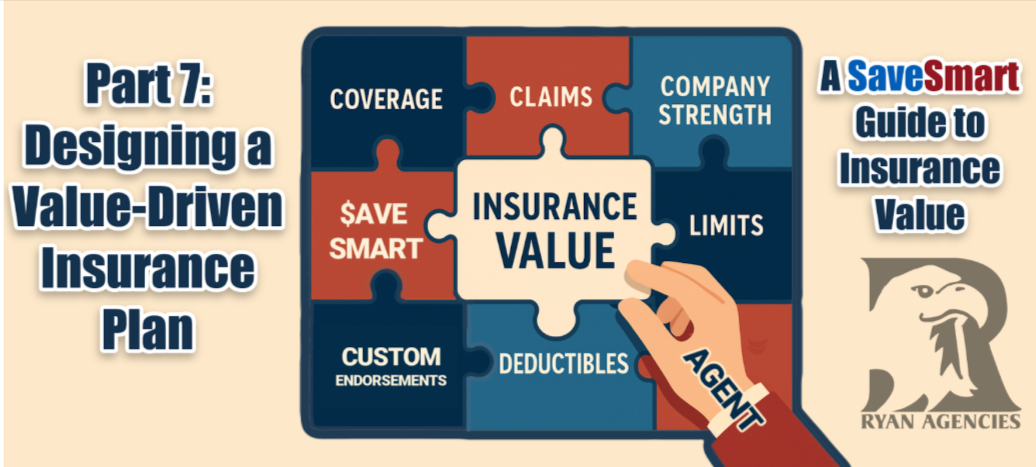
Part 7 – Designing a Value-Driven Insurance Plan
By Jeff Ryan - CLU, ChFC, AIA, CIC, CPCU November 24, 2025
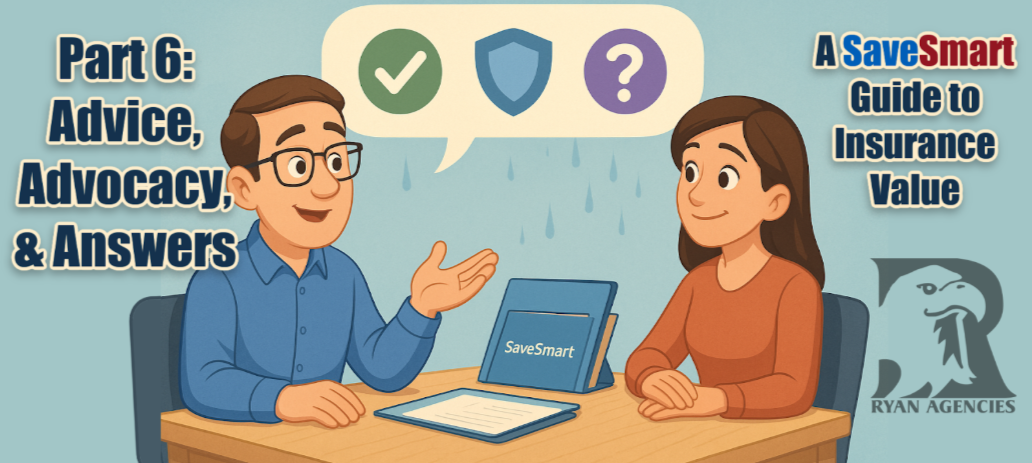
Part 6 – Advice, Advocacy, and Answers
By Jeff Ryan - CLU, ChFC, AIA, CIC, CPCU November 12, 2025
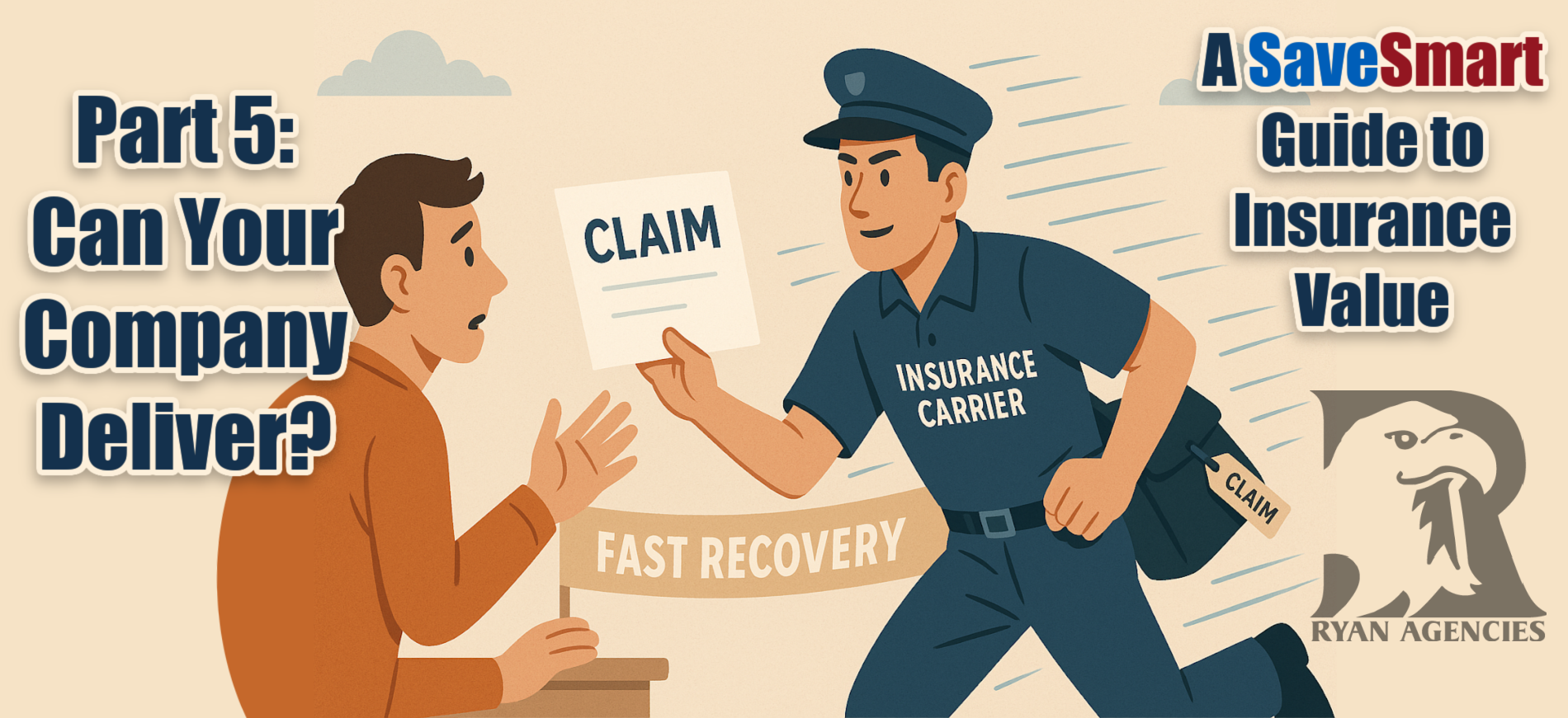
Part 5 – Can Your Company Deliver?
By Jeff Ryan - CLU, ChFC, AIA, CIC, CPCU October 29, 2025
Part 4 – Custom Coverage = Real Protection
By Jeff Ryan - CLU, ChFC, AIA, CIC, CPCU October 15, 2025
Part 3: Coverage Limits - "The Ceiling You Don't Want to Collapse"
By Jeff Ryan - CLU, ChFC, AIA, CIC, CPCU October 1, 2025
Part 2 – The Risks of Chasing Cheap
By Jeff Ryan - CLU, ChFC, AIA, CIC, CPCU September 17, 2025
Part 1: What Are You Really Paying For?
Insurance fraud is a significant problem, exceeding $300 billion annually, with the Property and Cas
By Jeff Ryan May 6, 2025
Insurance fraud is a significant problem, exceeding $300 billion annually, with the Property and Casualty sector contributing nearly $50 billion to that total.
Living in New York, you might have a stack of insurance documents—auto, homeowners, health, or life
By Jeff Ryan April 28, 2025
Living in New York, you might have a stack of insurance documents—auto, homeowners, health, or life insurance policies—filed away somewhere. But how long should you keep those documents, and specifically, what papers should you hold on to?