-------------------------------
“Ask Jeff" is a weekly post made on the RyanAgency.com Blog.
Submit an insurance-related question to “Ask Jeff”.
-------------------------------
555-555-5555
mymail@mailservice.com


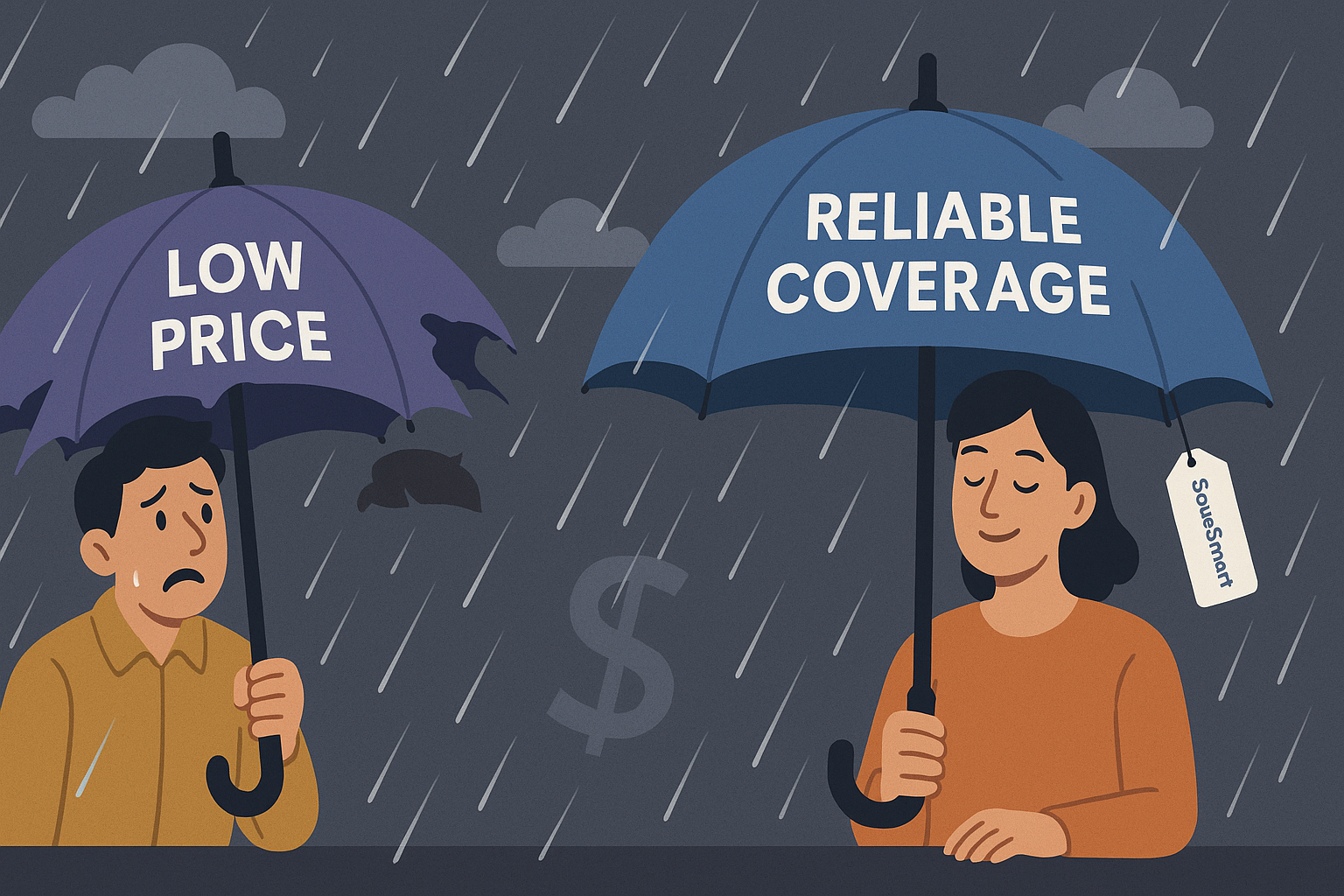
When most people think about saving money on insurance, they think about shopping for a lower premium. And sometimes that makes sense. But often, the smarter strategy is not to jump to a cheaper carrier, since you are starting from scratch. Sometimes, the better move is learning how to take advantage of the policy, company, and claim-free history you already have.
One option worth reviewing is a Vanishing Deductible endorsement. But what is a Vanishing Deductible?
While the details, benefits, and premiums vary by company, the basic idea is simple: go a year without a qualifying accident or claim, and the company reduces the deductible you would owe on a future covered loss.
For example, a client may start with a $500 collision deductible. If their company offers a Vanishing Deductible feature, that deductible might be reduced by $100 each claim-free year. After several years, the deductible that applies at claim time could be much lower than the original amount.
That is helpful by itself. But the real opportunity may come later.
Once the Vanishing Deductible credit has accumulated, a client may be able to increase their stated policy deductible to create
additional premium savings—while still keeping their “net” out-of-pocket risk at a comfortable level.
Here is a recent, real-life example.
A client of ours had a $500 Comprehensive and Collision deductible. Over a few claim-free years, they earned a $400 Vanishing Deductible Credit on Collision and a $450 credit on Comprehensive. With their Vanishing Deductible credit, their deductible had effectively dropped to $100 on Collision and $50 on Comprehensive.
At that point, they had a decision to make.
They could simply enjoy the lower effective deductible (after the vanishing credit). Or, they could consider increasing their stated policy deductibles to $1,000.
While the Vanishing Deductible Credit continued to apply, their effective out-of-pocket exposure on a future claim would be far less than the full stated policy deductible at $1,000 (a $500 effective deductible in this case). In exchange, they would currently save $383 every year in premiums. In plain English, they recover the difference through premium savings in about a year.
This strategy is not for everyone. Not every company offers this feature. Not every policyholder has accumulated enough credit. And not every household is comfortable taking on a higher deductible.
But
the bigger point is important: proper deductibles are one of the most overlooked ways to improve the value of your insurance program.
Your insurance has a job to do. It is not at its best when it is used for every small bump, scrape, or inconvenience. It is at its best when it protects you from losses that could cause serious financial harm to you and your family.
At The Ryan Agencies, we call this building insurance value. Sometimes that means looking beyond the obvious premium number and paying attention to small endorsement options that can create better choices later.
A Vanishing Deductible may not sound exciting when it is added. But over time, it can become a useful tool in a broader SaveSmart strategy.
And yes, our team of insurance superheroes would be glad to help you find out whether this little-known endorsement is available on your policy—and whether it can work to your advantage.
A Vanishing Deductible is an endorsement where an insurance company reduces the deductible you would owe on a future covered loss, provided you go a full year without a qualifying accident or claim.
Instead of starting from scratch with a new carrier, the smarter strategy is often to take advantage of the policy, company, and claim-free history you already have. Utilizing existing benefits like vanishing deductibles can build real insurance value over time.
While details vary by company, if you start with a $500 collision deductible, your company might reduce your deductible by $100 for each claim-free year. Over several years, your effective deductible could drop significantly, potentially reaching as low as $100 on collision and $50 on comprehensive.
Yes, it can. Once your Vanishing Deductible credit has accumulated, you may be able to increase your stated policy deductible to create additional premium savings while still keeping your "net" out-of-pocket risk at a comfortable level.
It can be a safe and smart move if you have accumulated enough credits. Even if you increase your stated deductible to $1,000, your effective out-of-pocket exposure on a claim will be far less (e.g., an effective $500 deductible) because the vanishing credit still applies to the new higher deductible limit.
In one real-life example, a client who increased their stated policy deductible to $1,000 saved $383 every year in premiums. With these savings, they could recover the cost difference of the higher deductible in just about a year.
No, not every company offers this feature, and it may not be suitable for every household. It works best for policyholders who have accumulated enough credit and are comfortable taking on a higher stated deductible.
Vanishing Deductible credits can accumulate on different coverages, and depending on your specific policy, credits can apply to both your Comprehensive and Collision deductibles.
Building insurance value means looking beyond the obvious premium number and paying attention to small endorsement options that can create better, more cost-effective choices for you later on.
Insurance is not meant to be used for every small bump, scrape, or inconvenience. It is at its best when it protects you from losses that could cause serious financial harm to you and your family.
When you switch to a cheaper carrier, you are starting from scratch and losing your accumulated claim-free history. You may lose the accumulated credits that allow you to use advanced savings strategies, like increasing your deductibles safely.
Generally, your insurance company will reduce the deductible you owe by a set amount (like $100) for each year you go without a qualifying accident or claim.
The SaveSmart strategy focuses on designing a value-driven insurance plan that provides real protection, rather than just chasing cheap premiums. A Vanishing Deductible can become a highly useful tool within this broader SaveSmart approach over time.
Yes, establishing the proper deductibles is one of the most overlooked ways to improve the overall value of your insurance program.
You should contact your insurance provider or local agent. For example, the team at The Ryan Agencies can help review your policy to see if this little-known endorsement is available and if it can work to your advantage.
The content in this article, including the podcast and FAQ, was created by the staff at The Ryan Agency, with portions generated using artificial intelligence. This information is for general informational purposes only and should not be relied upon as professional advice. For guidance specific to your situation, please consult your policy documents and an insurance professional. The Ryan Agency, Jeff Ryan, and our staff expressly disclaim any liability for actions taken or not taken based on this content without consulting your policy or an insurance professional.
About the Author: Jeff Ryan has been a licensed insurance agent since 1978, later becoming a full-time insurance professional in 1983. Since then, he has been the principal of The Ryan Agencies with offices in Hornell, Jasper, and Wellsville. The agencies serve approximately 15,000 clients in New York and Pennsylvania. Jeff holds numerous credentials including the Chartered Property & Casualty Underwriter (CPCU), Certified Insurance Counselor (CIC), Accredited Advisor in Insurance (AAI), Chartered Life Underwriter (CLU), and Chartered Financial Consultant (ChFC) designations. He holds a Master's Degree from the American College. Jeff enjoys writing about all things insurance and welcomes your questions and feedback.
-------------------------------
“Ask Jeff" is a weekly post made on the RyanAgency.com Blog.
Submit an insurance-related question to “Ask Jeff”.
-------------------------------

This article may have been originally published at Quora.com.
To see Jeff's Quora.com profile click here.